A tankless heater warms water only while a tap is open, so it never runs out the way a tank does. That sounds simple, but sizing one is a different job from picking a tank, and it is worth understanding before a plumber arrives.
How tankless sizing works
Tankless units are sized by flow, listed as GPM, at a given temperature rise. The rise is the gap between your incoming water and the temperature you want at the tap. Cold groundwater in northern states needs a larger rise, so the same unit delivers less flow there than it would in a warm climate. A household that runs two showers and a dishwasher together needs more flow than a couple who rarely overlap.
Options to talk through
- Gas condensing units pull more heat from the exhaust and can vent through PVC pipe.
- Non-condensing gas units need stainless venting built for hot exhaust.
- Electric tankless units skip venting but draw heavy current, which can mean a panel upgrade.
- Point-of-use units serve one sink or one bathroom far from the main heater.
What the install involves
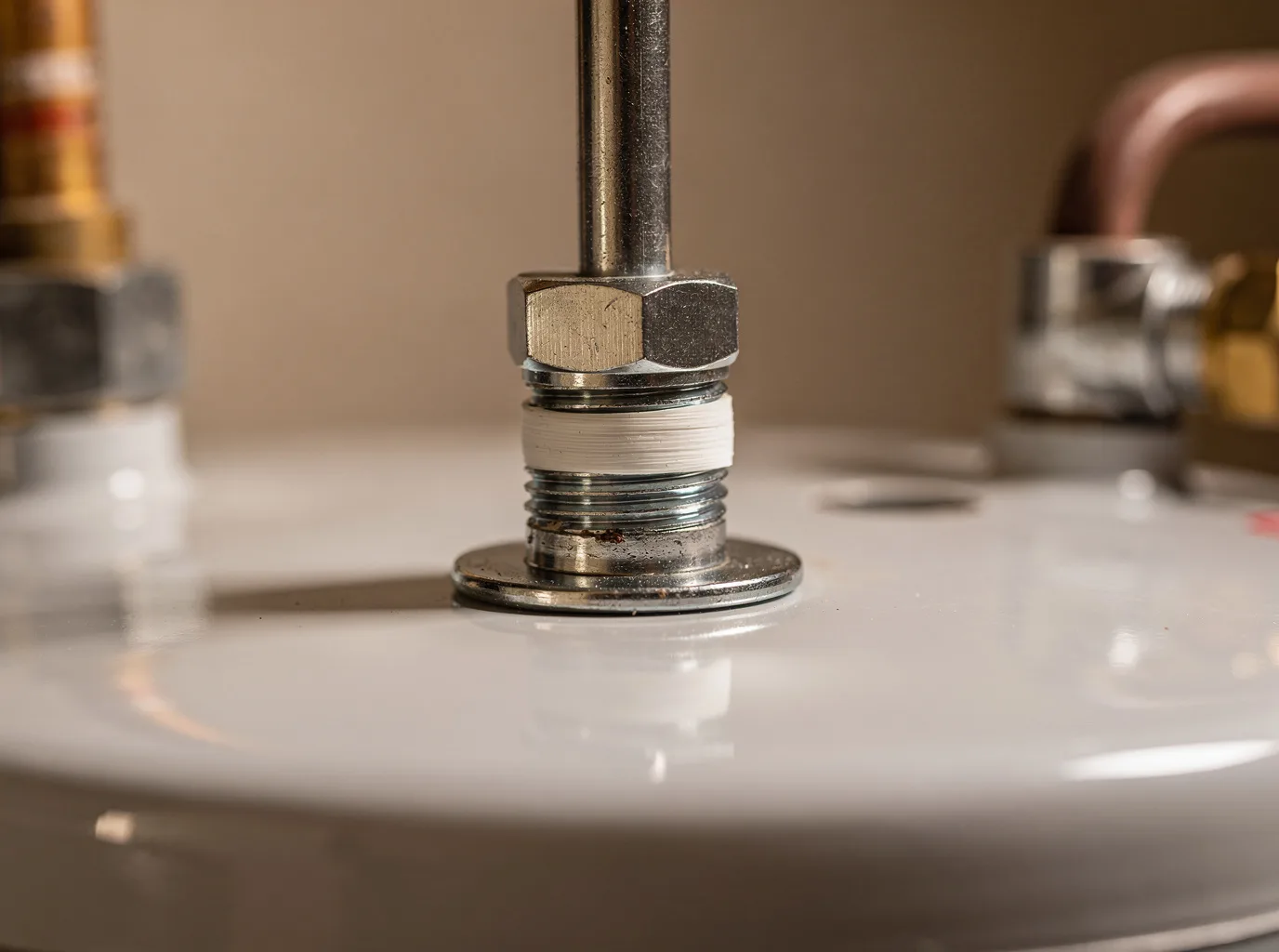
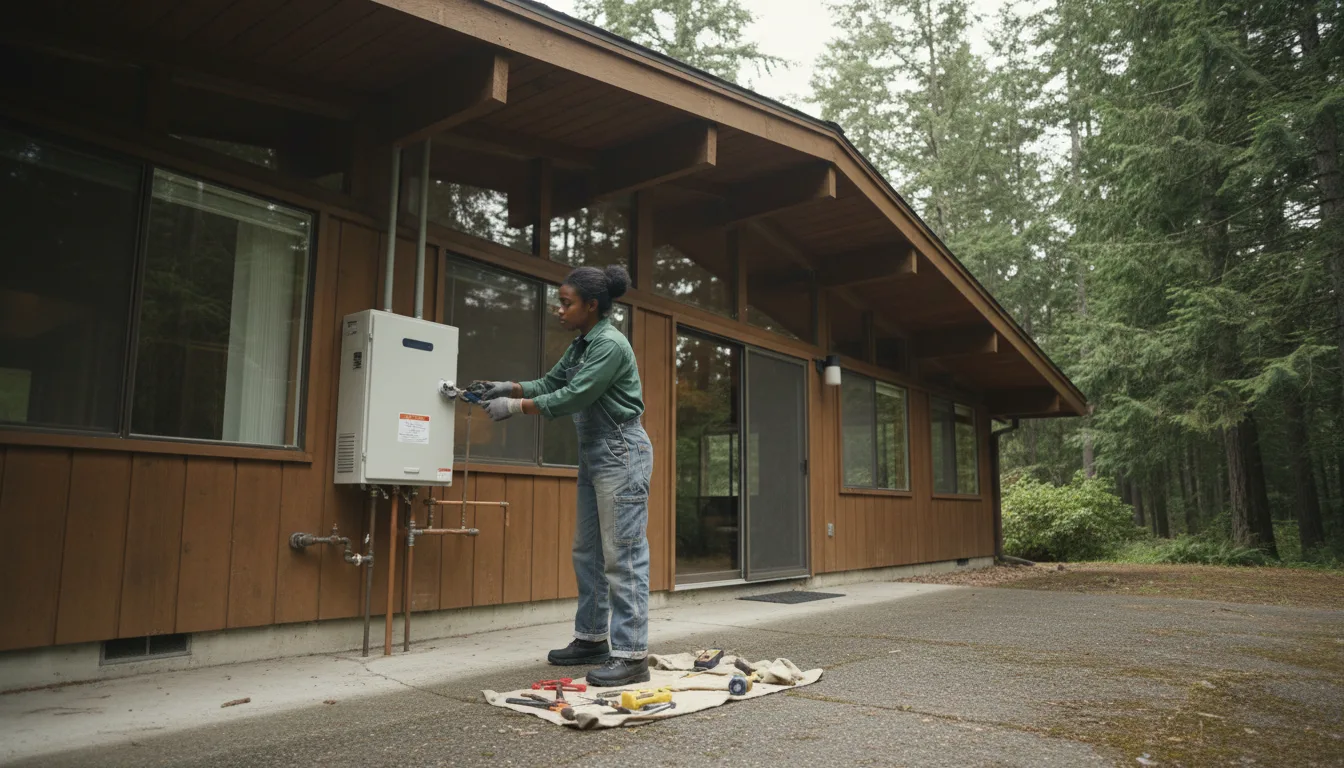
Gas models often need a larger gas line than the old tank used, plus new venting, a condensate drain on condensing units and isolation valves for later descaling. The independent plumber we book in Java, VA checks your gas meter capacity, vent route and electrical supply, then gives you a plan and price before work begins.
Before you call, count your bathrooms and note how often fixtures run at the same time.